



What Immigration Considerations Should Mobility Teams Expect in US Cities Ahead of the 2026 World Cup?
Although immigration systems do not specifically adapt to sporting events, the cities where immigration services operate are likely to see increased demand as the 2026 World Cup approaches.
The answer depends on several factors, including how each host city manages volume, how early demand arises, and how mobility timelines coincide with peak visitor periods. While the core immigration process remains unchanged, the surrounding environment may feel different in 2026.
A recent legal briefing from Morgan Lewis notes that large-scale events can indirectly affect labour markets, work authorisations and the timing of key appointments when cities experience sudden increases in activity (link). For mobility teams, this suggests a need for earlier visibility on moves landing in host cities.
Could appointment availability become more sensitive in 2026?
Mobility teams are already asking: Will it be harder to secure appointments in major hubs during peak periods? While demand for immigration services is driven by many factors, visitor volume can influence the capacity of local systems. For cities expecting significant World Cup activity, appointment slots may become more limited or fill up more quickly than usual. This is especially relevant for moves requiring:
· In-person appointments
· Employment authorisation updates
· Document renewals
· Status activation on arrival
Even small shifts in availability can have a ripple effect on onboarding timelines.
How might increased city activity influence entry planning?
Traffic and congestion can impact the ease of attending appointments, completing in-city processes, or coordinating multiple steps within a short period. Research from The Sports Economist highlights how major events can temporarily strain city infrastructure, affecting how people move through urban spaces. (link).
For mobility teams, this may influence decisions such as:
· Staggering onboarding activities
· Rescheduling arrival dates
· Allocating contingency time during early assignment stages
None of these changes are dramatic, but they form part of a realistic planning picture for 2026.


Will short-term assignments or intern programmes feel the impact?
Short-term assignments, rotational programmes, and intern arrivals often operate on fixed schedules. If these overlap with peak traveltimes or limited accommodation availability, related immigration steps may also become more restrictive. Mobility teams might find it helpful to review:
· Whether arrival clusters overlap with event periods
· How early do documents need to be finalised?
· Whether alternative landing cities reduce pressure
These considerations can help create stability during another wise busy year.
What should mobility teams do now?
The most helpful steps are proactive rather than reactive. Consider:
· Starting immigration workflows earlier than usual
· Planning moves likely to land in host cities
· Assessing appointment-dependent stages for time sensitivity
· Initiating conversations with mobility stakeholders sooner
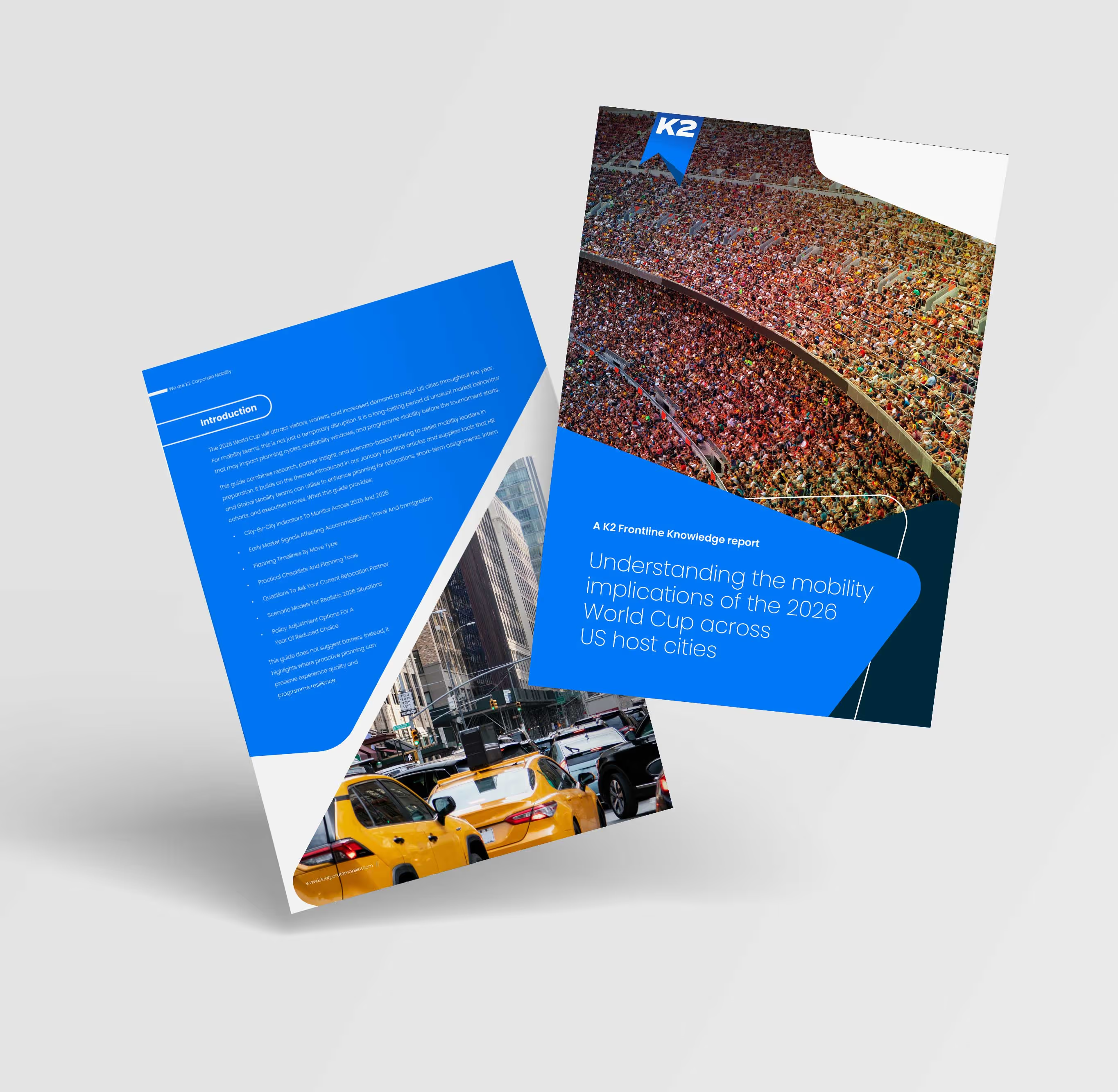
These steps help minimise timing risks and safeguard the experience of relocating employees. Our comprehensive guide examines specific immigration scenarios, timing considerations, and signals to monitor as 2026approaches.
Explore the insight in more detail
You can download the full guide here.
If you would like to explore these themes in relation to upcoming assignments, your local K2 office is available here.
For continued support, please reach out to your account manager.